



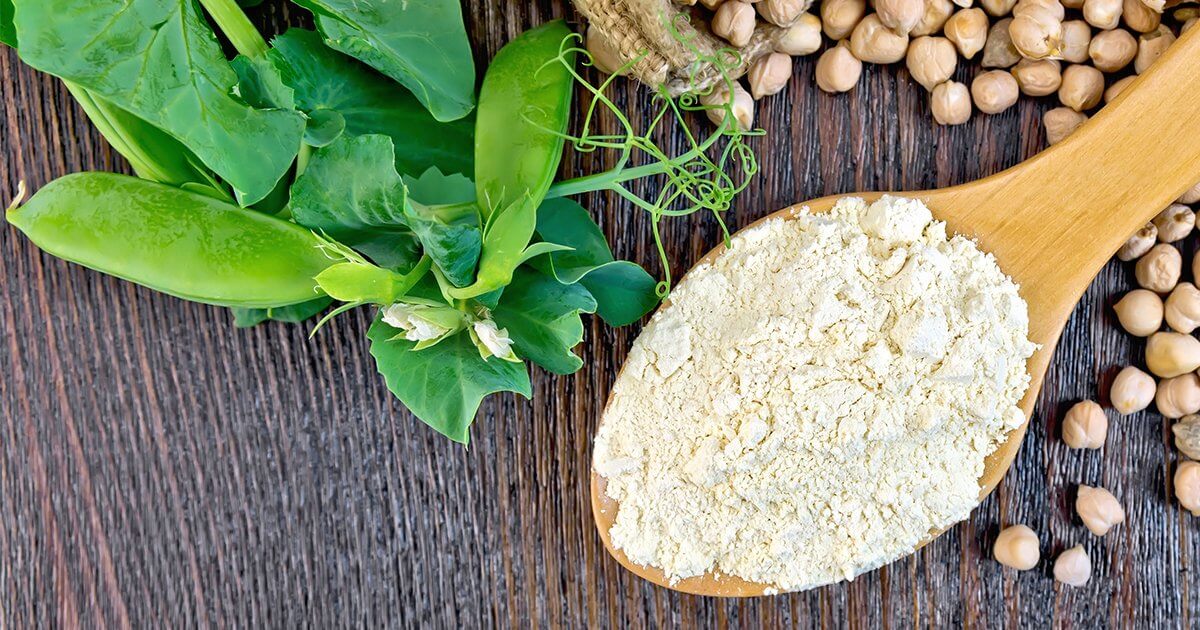
Whether you're a fitness junkie, weekend warrior, or active parent, we all need protein. Amino acids (protein) are the building blocks of life and you need the right amount daily.
Protein isn't just about muscle building. Because it is filling, protein helps curb cravings making it easier to maintain a healthy weight.
Having enough protein also means you support your body's ability to burn fat and maintain lean muscle mass. And protein is essential to recovery after exercise, especially after a tough workout.
Many people turn to protein supplements as a way to give your body the protein it needs. But not all protein supplements are created equally.
Although whey is by far the most popular protein supplement on the market, today you'll see the difference between plant-based protein and whey and why one is way better.
Before we dive into the details, note that we're not counting soy protein among the good plant proteins. That's because over 90% of all soy grown in the US is GMO soy, genetically engineered to survive toxic glyphosate, which leaves residues in the plant. Soy is also an allergen and unless it is fermented, it is estrogenic. So while it is a plant, avoid soy in protein supplements.
In the head-to-head showdown of whey vs. plant proteins, we'll review the good and bad across four key areas: digestion, nutrient quality, muscle support, and environmental impact.

Whey Protein is Difficult to Digest
Most people simply look at how much protein is in a supplement to determine how good it is. Instead you have to consider how well your body will absorb the protein, and whether there will be any digestive discomfort.
People often have trouble digesting and absorbing whey protein because it contains lactose. A surprising number of people have trouble digesting lactose. In fact, it's estimated that 65 percent of the human population has a reduced ability to digest lactose (dairy) after infancy.
That means up to 65 percent of people will have trouble digesting whey protein. If you try whey protein and notice intestinal discomfort, fatigue, bloating or gas; then you may have a problem with lactose.
Plant-Based Protein is Easy to Absorb
Unlike whey, plant-based protein sources-including pea, hemp, rice and quinoa-are not allergens. This means almost everyone can easily digest plant-based protein without a hitch.
The best plant-based protein supplements also include sprouted or fermented grain proteins. Sprouting further increases the absorbability of the plant protein by reducing the phytic acid level. It also unlocks the grains' vitamins and minerals, making them ready to absorb.
To further increase absorption, look for a plant protein supplement with added digestive enzymes and MCTs (medium-chain triglycerides) so you get the most nutrition from each plant.
The Winner on Digestion: Plant-Based Protein
Whey Protein is Low in Nutrients
The vast majority of whey protein supplements are heavily processed; made from ultra-pasteurized milk produced from factory-farmed cows. They also often contain toxic additives, including artificial sweeteners and soy isolates.
During production, whey is ultra-pasteurized, heated to around 280 degrees Fahrenheit. Ultra-pasteurization kills bacteria, but it also destroys any naturally present vitamins and digestive enzymes, and denatures (destroys) some of the protein, making it even more difficult to digest.
Ultra-processed whey also doesn't mix well with water. To fix this issue, manufacturers will often add emulsifiers to help the whey mix better with liquids. However, recent animal studies on common emulsifiers-polysorbate 80 and carboxymethylcellulose-show they change gut bacteria and trigger higher levels of inflammation.
Whey protein also has a nasty taste by itself. That's why manufacturers add artificial sweeteners, sucralose, artificial food dyes, and other toxic additives to improve its taste and texture.
Plant-Based Protein is Naturally Nutritious
Many plant protein sources go way beyond protein, and come with nutrient profiles that include heart-healthy omegas (essential fatty acids), antioxidants, vitamins, minerals and more.
Plants that are rich in protein and beneficial nutrients include:
- Peas
- Rice (fermented)
- Hemp
- Quinoa
- Amaranth
- Millet
- Chia seeds
Plant-based protein supplements are more likely to be free of harmful additives (always check the ingredient listings not just the nutrition label).
That's because most plant protein sources require less processing, have a better inherent taste, and don't need emulsifiers to improve solubility.
Look for certified organic sources for even higher nutrition levels, and no toxic pesticides. Organic also means no GMOs inside.
The Winner on Nutrient Quality: Plant-Based Protein

Whey Protein Works but is Acidic in the Body
Whey is a popular choice for its muscle building amino acid profile. Your body uses over 20 different amino acids to make different protein structures.
Nine of these amino acids must be acquired through diet alone hence they are considered essential.
Whey is considered a complete protein because it has all 9 essential amino acids. However, as a dairy product, especially one that is ultra-processed, whey protein is considered to be acid forming in the body.
Pea Protein Also Proven for Muscle Recovery
There's the argument that plant-based protein can't build muscle as well as whey, however studies don't bear this out.
A 2015 study comparing pea protein and whey protein on muscle growth and muscle recovery was published in the Journal of the International Society of Sports Nutrition.
The results showed that pea protein was equally as effective at increasing muscle thickness.
When you combine pea protein with other plant proteins such as hemp and quinoa, you get complete amino acid profiles that balance each other, while also providing alkalizing benefits to the body.
There are also numerous success stories of professional athletes who thrive on plant-based protein sources, from Olympians to World Champs.
The Winner on Muscle Support: Whey & Plant Protein Tie

Whey is an Environmental Disaster
Whey is a by-product of cheese production and is highly acidic. With Greek yogurt production on the rise, there's more whey waste than ever.
In fact, cheese and yogurt factories are scrambling to find different ways to get rid of their whey waste. Not only is whey a clever way for manufacturers to make money from waste, it supports unsustainable animal farming.
By one whey manufacturer's estimate, it takes a whopping 720 pounds of milk to make 5 pounds of whey protein powder.
Depending on the source of dairy, the milk-producing cow may also have been treated with hormones and antibiotics, creating an increased risk for antibiotic resistance.
Plant-Based Protein is Good for the Planet
When you choose organic plants for your protein sources, you protect the environment in many ways. Organic farming has been shown to help repair the environment by counteracting global warming, remineralizing depleted soils, and promoting sustainable food and water supplies.
So when you purchase plant-based protein supplements, you're also supporting environmentally friendly practices.
The Winner on Environment: Plant-based Protein
The Verdict: Plant Protein for the Win!
Whey has dominated the protein supplement market for years and it's time for plant-based protein to take its place.
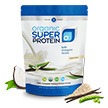
Organic plant-based protein supplements are a clean source of quality protein.
While whey may appear to have more protein per serving on some labels, plant-based protein is more valuable because it contains more usable protein than whey.
Picking a quality organic plant protein may seem more expensive at first, but when you consider the digestive discomfort, acidity factor and low nutrition in whey, plant protein is a far greater value.
Plant proteins are digested better, contain more usable protein, come with balanced nutrition and don't have toxic additives that can harm your health.
So what are you waiting for? Kick whey to the curb and fuel your body with a premium, plant-based protein supplement.
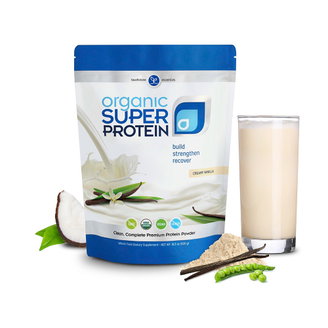
Shop this Article
Recent Articles

11 Vitamins & Minerals Women Need

Hibiscus Mojito Detox Mocktail

7 Simple Ways to Enhance Your Detox

3 Big Ways Telomeres Impact Mitochondria
9 Foods to Stimulate GLP-1 Naturally
Use HSA/FSA for Your Favorite Detox Supplements
5 Dangers of Supplement Dupes

A Letter of Thanks From Our Founder

The Ultimate 2025 Holiday Gift Guide

9 Biohacking Tips for Longevity
Recent Articles
11 Vitamins & Minerals Women Need
Hibiscus Mojito Detox Mocktail
7 Simple Ways to Enhance Your Detox
3 Big Ways Telomeres Impact Mitochondria
9 Foods to Stimulate GLP-1 Naturally
Use HSA/FSA for Your Favorite Detox Supplements
A Letter of Thanks From Our Founder
The Ultimate 2025 Holiday Gift Guide
9 Biohacking Tips for Longevity


